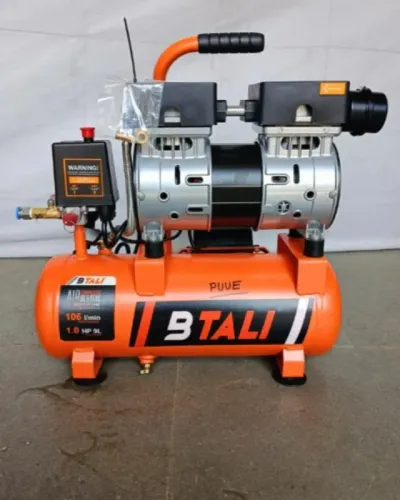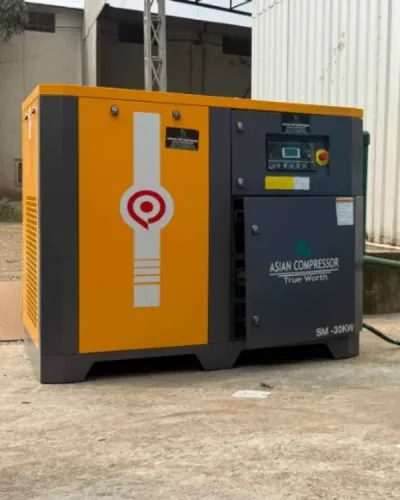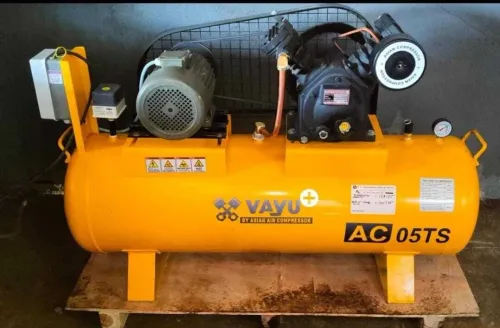


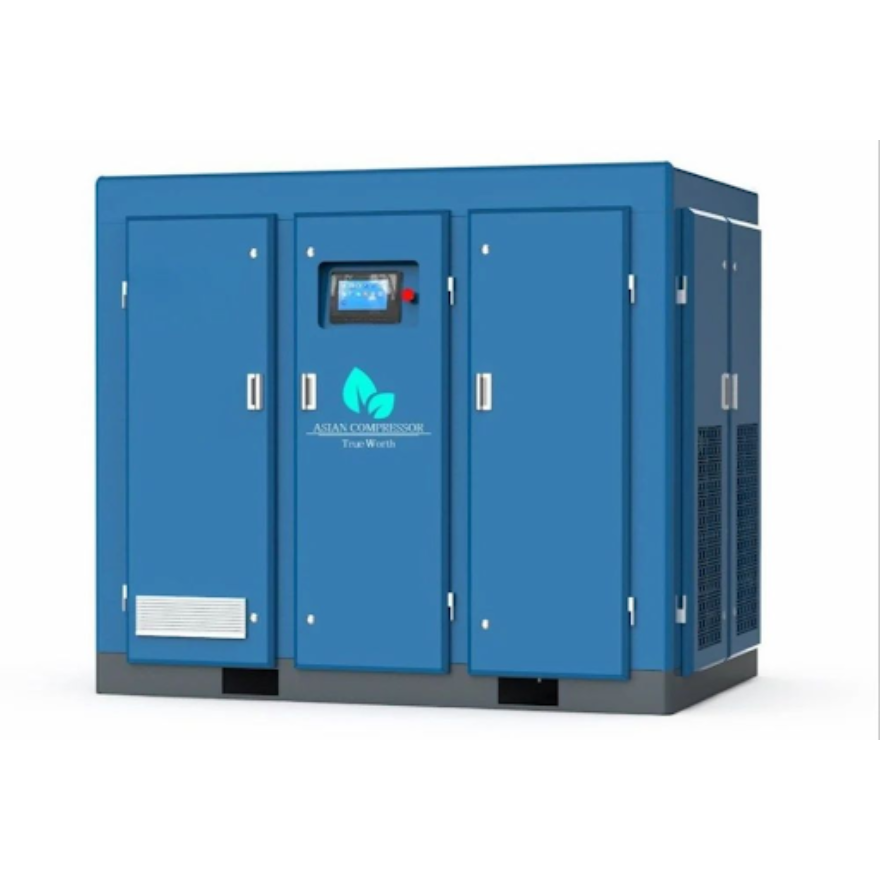
Industrial compressed-air requirements become more challenging as airflow, operating hours and pressure requirements increase. One technology used for demanding applications is the Two Stage Air Compressor, which divides compression across two stages rather than completing the entire process in a single stage.
Understanding what happens between these stages helps industrial buyers determine why this design is used in certain applications.
What Happens During Two-Stage Compression
In simplified terms, air enters the first compression stage and is compressed to an intermediate pressure.
The air is then cooled before entering the second stage, where compression continues to the required discharge pressure.
Intercooling between stages is an important part of the process because compression generates heat. Reducing the temperature before the next compression stage can improve the overall compression process.
Why Industries Consider Two-Stage Systems
Two-stage compressors are commonly considered for applications involving substantial compressed-air demand, higher duty requirements or continuous industrial operation.
Potential applications include:
- Manufacturing plants
- Engineering facilities
- Automotive production
- Metal fabrication
- Process industries
- Pneumatic production machinery
- Large workshops
- Industrial assembly lines
The appropriate compressor still depends on actual airflow and pressure requirements.
Capacity Must Match Production
One of the biggest compressor-selection mistakes is choosing equipment primarily according to horsepower.
Two compressors with different designs can deliver different airflow characteristics even when motor ratings appear comparable.
Buyers should examine:
CFM or airflow: How much compressed air the machine can supply.
Pressure rating: Whether it can maintain the pressure required by production equipment.
Duty requirement: How continuously the compressor needs to operate.
Air quality: Whether downstream filtration or drying is necessary.
Demand variation: Whether plant consumption remains stable or changes significantly.
Installation Conditions Affect Results
Industrial compressor selection should always include the installation environment.
The compressor requires sufficient airflow for cooling and enough service clearance for routine maintenance.
Piping should be appropriately sized to minimise pressure drop. Moisture management and drainage also need consideration because compressed air naturally produces condensate as it cools.
For plants in Nagpur, Maharashtra, ambient operating conditions and compressor-room ventilation should form part of installation planning.
Why System Efficiency Goes Beyond the Compressor
Even efficient compression equipment can perform poorly within an inefficient network.
Leaks, clogged filters, inappropriate piping and excessive pressure settings can increase energy consumption.
Routine compressed-air system inspections should therefore include:
- Leak detection
- Filter condition
- Drain operation
- Receiver condition
- Distribution pressure
- Compressor temperature
- Lubrication
- Cooling system cleanliness
Selecting the Appropriate Configuration
Two-stage technology is not automatically necessary simply because a factory is large.
The decision should be based on pressure, flow, operating hours and process requirements.
Advik Enterprises supplies industrial compressor equipment in Nagpur and lists Asian ASN Two Stage Compressor configurations across different motor capacities. This gives industrial buyers the ability to evaluate equipment against their required airflow and operating conditions rather than relying on a single standard size.
A Two Stage Air Compressor becomes valuable when its operating characteristics align with the actual industrial application.
For procurement teams, the most useful first step is documenting the plant's present compressed-air consumption, required pressure, operating schedule and likely future demand. Those numbers provide a stronger basis for equipment selection than simply choosing the largest available compressor.