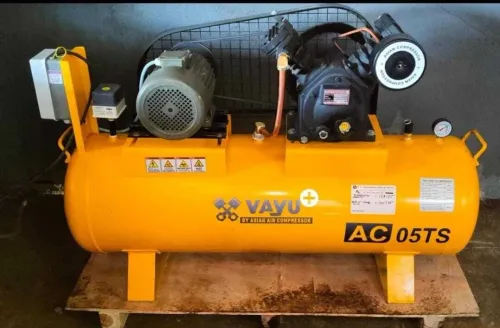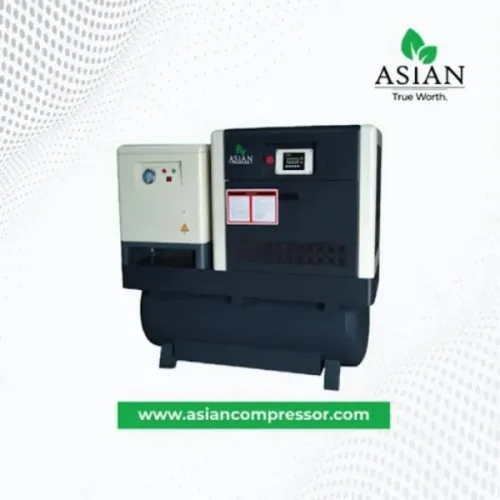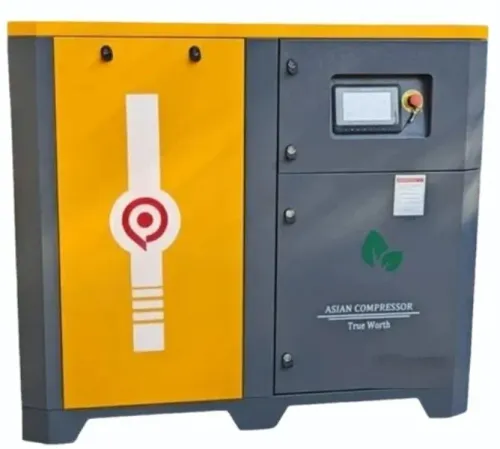


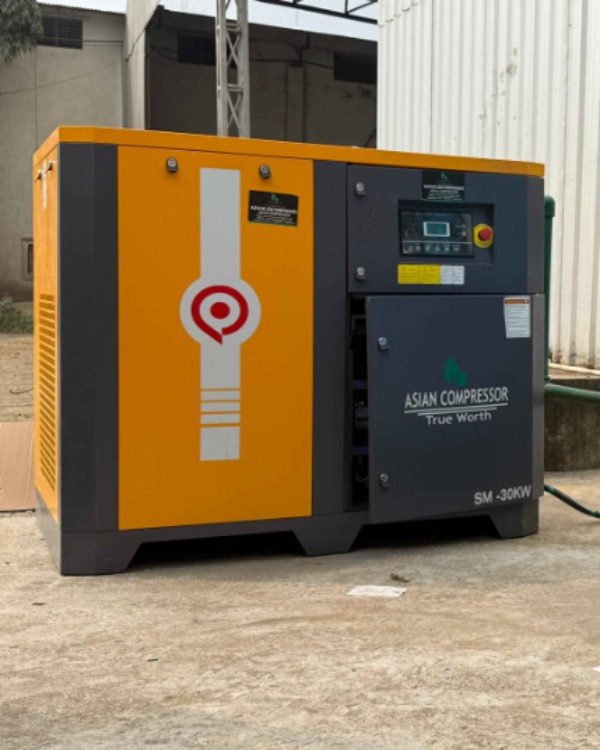
When a Screw Air Compressor appears unable to maintain pressure, runs excessively or consumes more electricity than expected, the compressor itself is not always the root cause.
Problems elsewhere in the compressed-air system can create symptoms that look like compressor failure.
For maintenance managers, checking the complete system can prevent unnecessary equipment replacement.
Air Leaks Increase Compressor Workload
Leaks are among the most common sources of compressed-air waste.
They may develop around:
- Hose connections
- Couplings
- Valves
- Drain points
- Pipe joints
- Pneumatic equipment
- Regulators
A collection of small leaks can create substantial artificial demand.
The compressor then runs longer simply to replace air escaping from the network.
Dirty Filters Create Pressure Drop
Filters protect downstream equipment and improve compressed-air quality, but contamination gradually increases resistance.
If a filter becomes excessively restricted, pressure upstream may appear normal while machinery receives inadequate pressure.
Operators may respond by increasing compressor discharge pressure, which can further increase energy consumption.
Monitoring differential pressure across filtration can help identify this problem.
Incorrect Pipe Sizing Restricts Airflow
Compressed-air piping must carry the required volume of air without excessive pressure loss.
Undersized lines can cause pressure drop, particularly during periods of peak demand.
Other distribution problems include excessive bends, restrictive fittings and poorly designed branch connections.
A correctly sized compressor connected to an inadequate network may still appear undersized.
Heat Can Affect Operation
Screw compressors generate significant heat during compression.
Cooling airflow needs to move through the machine and compressor room effectively.
Problems can develop when:
- Ventilation openings are blocked
- Coolers become dirty
- Hot discharge air recirculates
- Equipment is installed too close together
- Compressor-room temperature becomes excessive
Facilities in Nagpur, Maharashtra, should pay particular attention to ventilation during hotter operating periods.
Poor Drainage Creates Moisture Problems
As compressed air cools, water vapour condenses.
Receivers, filters and dryers therefore need appropriate condensate management.
Faulty or blocked drains can allow moisture to move downstream, potentially affecting pneumatic equipment and processes.
Excessive Pressure Settings Waste Energy
Higher pressure is not automatically better.
If production machinery needs a certain pressure, maintaining the entire network significantly above that requirement can increase compressor workload.
Before raising the pressure setting, maintenance teams should investigate why pressure is being lost.
Demand May Have Grown Over Time
Sometimes nothing is technically wrong with the compressor.
The factory may simply be consuming more air than when the system was originally designed.
Additional machines, production expansion and new shifts can gradually increase demand beyond installed capacity.
Reviewing current airflow against original compressor sizing can reveal whether expansion is responsible.
Build a System-Level Maintenance Routine
A useful inspection routine should cover the compressor and supporting network.
Check:
- Air leaks
- Filter restriction
- Compressor temperature
- Cooler cleanliness
- Drain function
- Receiver condition
- Distribution pressure
- Actual production demand
For businesses requiring compressor equipment or system guidance in Nagpur, Advik Enterprises supplies screw compressor solutions across different industrial capacities.
The key lesson is that a Screw Air Compressor should not be assessed in isolation. Compressor performance depends on piping, air treatment, maintenance, ventilation and demand management.
Finding and correcting system-level problems can often improve reliability before additional compressor capacity is considered.