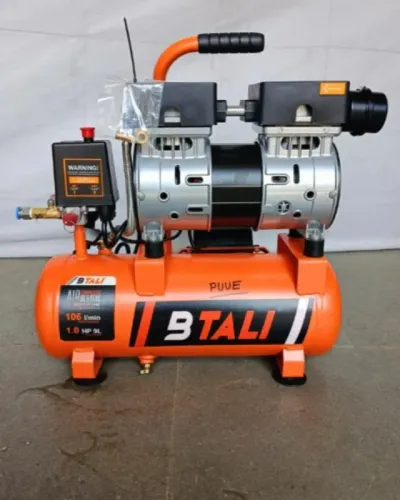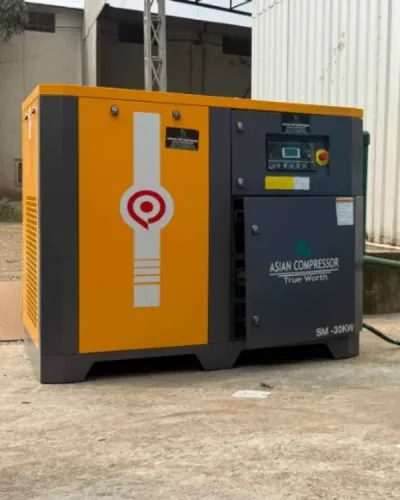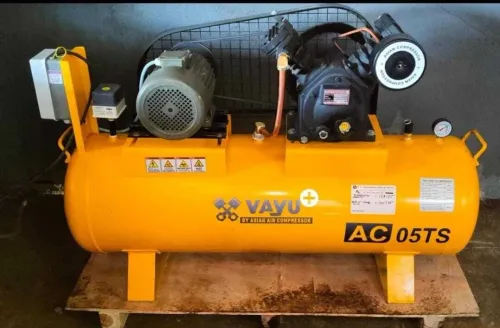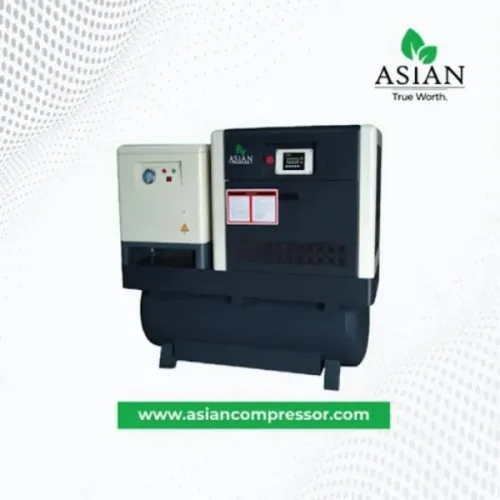

Not every pneumatic application operates at the same pressure. Standard compressed-air systems can support many workshop and manufacturing processes, but some equipment requires pressure beyond ordinary plant-air conditions.
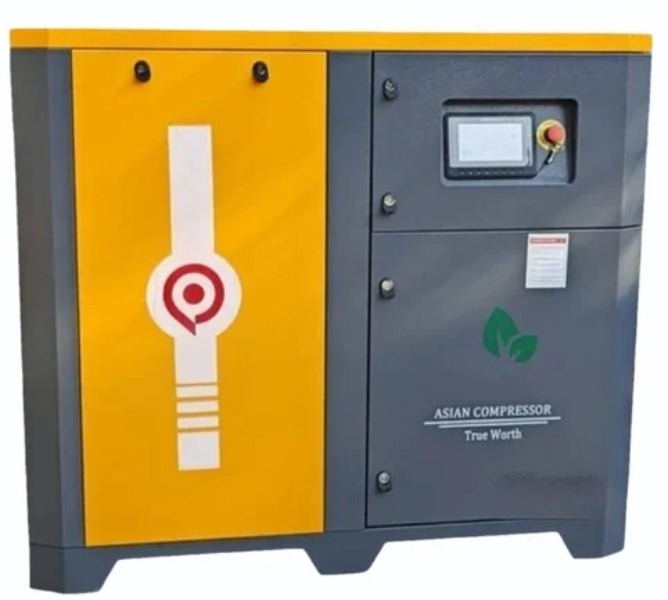
A High Pressure Air Compressor is designed for applications where elevated discharge pressure is specifically required.
Understanding when high pressure is actually necessary can prevent both underspecification and unnecessary investment.
Pressure Is Different from Airflow
Two compressor specifications are frequently confused: pressure and airflow.
Pressure represents the force at which compressed air is supplied.
Airflow indicates the quantity of air delivered over time.
A machine may require high pressure but relatively modest airflow, while another production line may require large airflow at a lower pressure.
Therefore, selecting a compressor purely because it has a higher pressure rating does not necessarily improve plant performance.
Typical High-Pressure Applications
Requirements differ between industries, but higher-pressure compressed air can be relevant to applications such as:
- PET bottle blowing
- Pressure testing
- Special pneumatic machinery
- Industrial cleaning processes
- Certain manufacturing operations
- Process equipment
- Testing laboratories
- Specialised workshop equipment
The machinery manufacturer's specified inlet pressure should always be checked before compressor selection.
Why More Pressure Is Not Always Better
Operating at unnecessarily high pressure can increase energy consumption and place additional stress on system components.
If most plant equipment operates at conventional pressure while only one process requires high pressure, designing the entire compressed-air network around the highest-pressure requirement may be inefficient.
In some facilities, separate pressure zones or dedicated equipment may provide a more appropriate solution.
Questions to Ask Before Selection
Procurement teams should document:
- Required operating pressure
- Required airflow at that pressure
- Continuous and peak demand
- Number of operating hours
- Air quality requirement
- Available electrical supply
- Installation environment
- Receiver requirement
The pressure required at the machine should also account for losses between the compressor and point of use.
Distribution Design Is Important
Pressure can fall as compressed air travels through piping, filters, dryers and other components.
Excessive pressure drop can be caused by:
- Small pipe diameter
- Long pipe runs
- Dirty filtration
- Poorly designed fittings
- High flow through restrictive components
- Air leakage
Before concluding that a higher-pressure compressor is required, maintenance teams should determine whether distribution losses are creating the problem.
Safety Requires Appropriate Components
High-pressure compressed air demands careful system design.
Receivers, piping, valves, hoses and fittings must be appropriate for the intended operating pressure. Required inspections and safety practices should be followed according to applicable standards and regulations.
This is particularly important in industrial environments where compressed air is used continuously.
For businesses in Nagpur, Maharashtra, equipment selection should also account for local installation conditions, service accessibility and expected production expansion.
Advik Enterprises supplies compressor solutions for industrial applications in Nagpur, including high-pressure compressor options. Buyers can discuss airflow, pressure and application requirements before determining an appropriate configuration.
The right High Pressure Air Compressor is not simply the unit capable of generating the greatest pressure. It is the compressor that can reliably deliver the required airflow at the required pressure while fitting safely and efficiently into the overall industrial system.