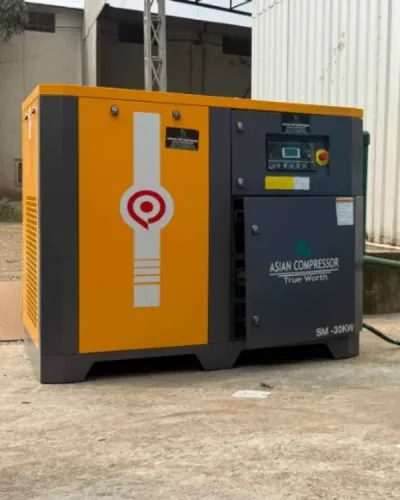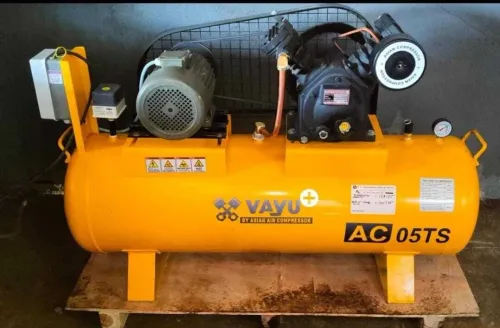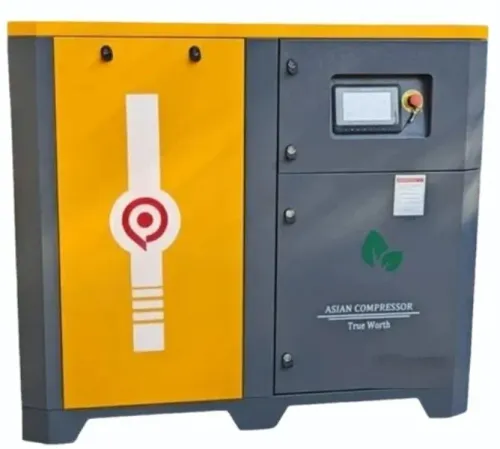

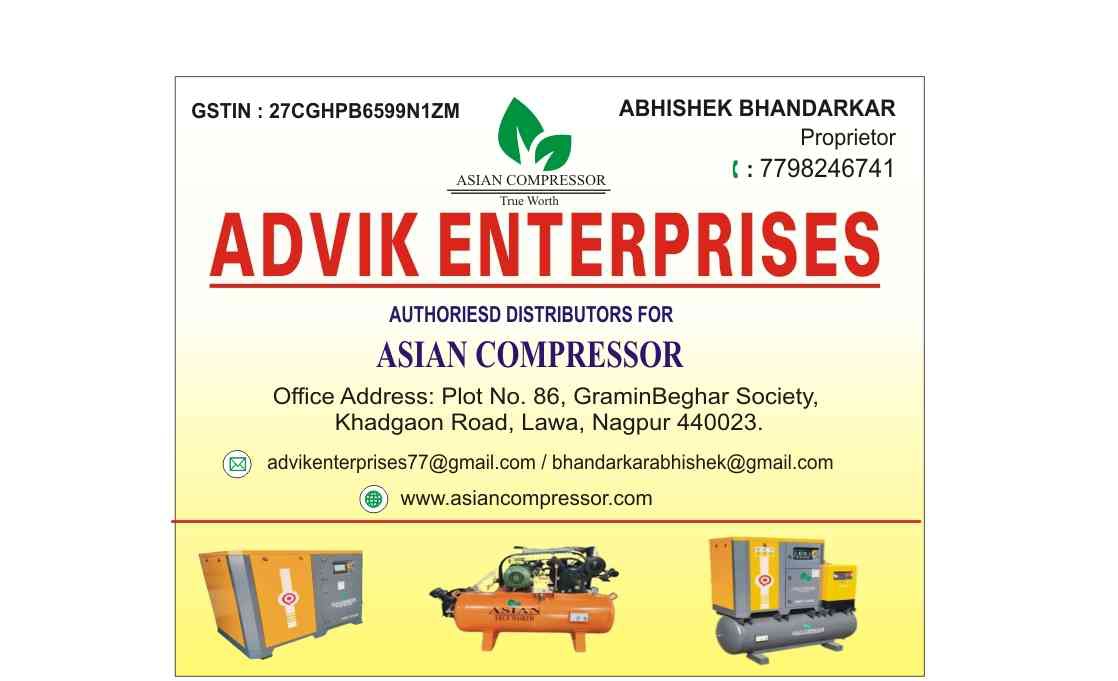
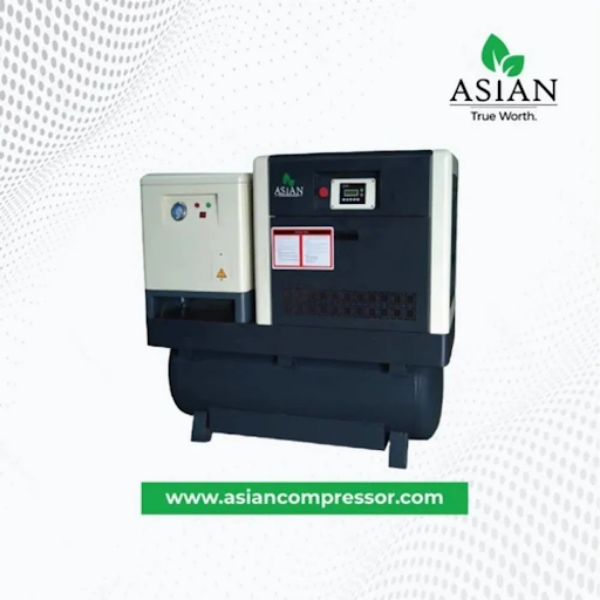
A Tank Mounted Air Compressor combines the compressor assembly with an air receiver, creating a compact package that can be practical for workshops, maintenance areas and industrial applications where space and installation simplicity matter.
However, similar-looking compressor packages can have very different capabilities.
For industrial buyers in Nagpur, Maharashtra, using a structured checklist makes it easier to compare equipment according to operating requirements rather than appearance or price alone.
1. Calculate Your Air Requirement
Start by listing every pneumatic tool or machine that may operate from the compressor.
Record its airflow requirement and determine which devices may run simultaneously.
Do not simply add every connected tool if they are never used together. Equally, do not size the compressor around one tool when several machines regularly operate at the same time.
2. Confirm Working Pressure
Identify the required pressure at the equipment inlet.
The compressor must deliver adequate pressure after accounting for reasonable losses through piping and air-treatment components.
Excessively increasing system pressure to overcome poor distribution design is rarely an efficient solution.
3. Understand Receiver Capacity
The tank stores compressed air and provides a buffer between compressor production and consumption.
A suitable receiver can help manage short bursts of demand and reduce excessive compressor cycling.
Receiver capacity should be considered alongside:
- Compressor output
- Demand pattern
- Operating pressure
- Tool consumption
- Start-stop frequency
A bigger receiver alone cannot compensate for inadequate compressor capacity.
4. Consider Duty Cycle
A workshop using compressed air for occasional tyre inflation has very different requirements from a production facility operating pneumatic equipment throughout a shift.
Determine how many hours the compressor will operate each day and how frequently demand occurs.
Continuous industrial operation requires equipment selected for that duty.
5. Check Available Space
Tank-mounted designs can simplify installation, but buyers should still allow space around the unit.
Maintenance personnel need access to filters, lubrication points, belts, drains, electrical components and other service areas.
The compressor should not be pushed into an enclosed corner simply because its footprint is compact.
6. Plan Ventilation
Compressing air generates heat.
Poor ventilation can increase compressor-room temperature and affect equipment performance.
In Nagpur's warmer seasonal conditions, ventilation and heat management deserve particular attention when determining installation location.
7. Think About Moisture
Compressed air contains moisture that can condense inside the receiver and downstream network.
Drain arrangements are therefore important.
Applications requiring cleaner or drier air may additionally need filters, moisture separators or dryers.
8. Evaluate Maintenance Access
Ask how easily routine maintenance can be performed.
Check availability of:
- Consumable filters
- Lubricants where applicable
- Replacement components
- Drain components
- Belts where applicable
- Service support
Maintenance requirements should be understood before procurement, not after commissioning.
9. Consider Future Demand
Businesses often add machinery after installing the original compressor.
Allowing a sensible capacity margin can help accommodate foreseeable growth, although excessive oversizing should also be avoided.
10. Compare the Complete Package
Purchase price is only one part of the decision.
Installation, electrical requirements, maintenance, energy use and expected operating life should also be evaluated.
Advik Enterprises supplies tank-mounted compressor equipment and other industrial compressed-air solutions in Nagpur. Industrial buyers can compare configurations according to airflow, pressure, receiver capacity and application.
A Tank Mounted Air Compressor can provide a practical packaged solution when correctly sized. The strongest buying decision comes from matching the compressor, receiver and distribution system to actual operating conditions rather than selecting equipment from tank size or horsepower alone.