
Compressed-air demand rarely remains perfectly constant in every factory. Production schedules change, machines start and stop, shifts operate at different capacities, and some processes consume more air than others.
A Variable Frequency Air Compressor is designed to respond to these changing requirements by adjusting motor speed according to compressed-air demand.
For manufacturing facilities in Nagpur, Maharashtra, this technology can be worth understanding when electricity consumption and fluctuating production demand are important operating concerns.
What Makes Variable Frequency Operation Different
A conventional fixed-speed compressor typically runs its motor at a set speed. A variable-frequency system uses drive technology to regulate motor speed.
When demand falls, the compressor can reduce output rather than continuously producing at maximum capacity. When demand rises, output can increase.
This ability to match production more closely with consumption is the central advantage of variable-frequency compression.
Where Energy Loss Can Occur
Compressed-air systems can consume unnecessary electricity when compressor capacity and plant demand are poorly matched.
Typical situations include:
- Oversized compressors
- Long unloaded operating periods
- Frequent production changes
- Different air demand between shifts
- Large pressure fluctuations
- Multiple machines operating intermittently
Before replacing equipment, however, facilities should also investigate leaks, excessive pressure settings and distribution losses.
A new compressor cannot compensate efficiently for a poorly maintained air network.
Which Facilities Benefit Most
Variable-frequency technology tends to deserve closer evaluation when compressed-air consumption changes substantially during operating hours.
Consider a production facility where the morning shift uses most pneumatic machinery simultaneously, while the evening shift operates only selected equipment.
Running identical compressor output during both periods may not be necessary.
A variable-frequency system can adjust output according to the lower requirement.
Evaluate the Actual Demand Profile
Before selecting a compressor, collect information such as:
- Average air consumption
- Peak air requirement
- Minimum operating demand
- Required working pressure
- Daily operating hours
- Number of production shifts
- Expected future expansion
Where possible, compressed-air auditing or data logging provides more useful information than estimating demand solely from connected machine ratings.
Do Not Focus Only on Purchase Price
A compressor is a long-term industrial asset. Its total cost includes much more than initial equipment expenditure.
Businesses should consider:
- Electricity consumption
- Preventive maintenance
- Replacement parts
- Production downtime
- Installation
- Air treatment
- Expected operating life
For equipment running many hours each year, operating efficiency can materially affect lifetime cost.
Compressor Room Conditions Matter Too
Variable-frequency technology still requires appropriate installation conditions.
Adequate ventilation, suitable electrical infrastructure, accessible maintenance space and correct piping remain important.
High ambient temperature and restricted airflow can affect compressor performance regardless of control technology.
Nagpur's industrial businesses therefore need to evaluate both equipment specifications and site conditions when planning a compressor installation.
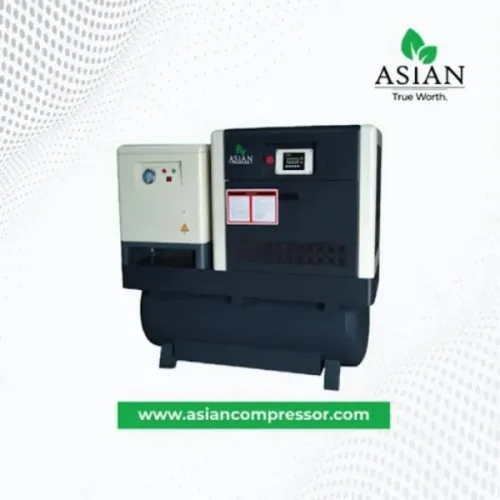
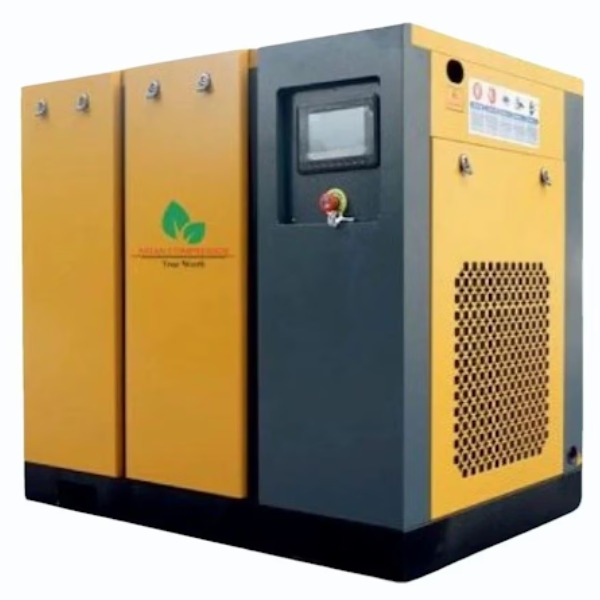
Advik Enterprises supplies variable-speed compressor systems in Nagpur, including multiple Asian SMV Variable Frequency Air Compressor configurations. Buyers can assess capacity according to their plant's airflow and operating requirements.
A Variable Frequency Air Compressor should not automatically be viewed as the right choice for every facility. Its strongest case appears where air demand genuinely varies enough for output modulation to provide meaningful operational benefits.
Understanding the plant's consumption pattern first makes the purchasing decision far more reliable.