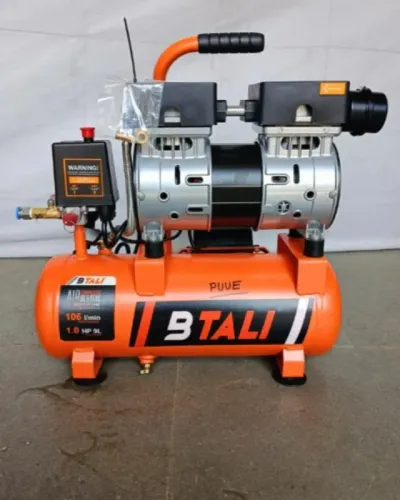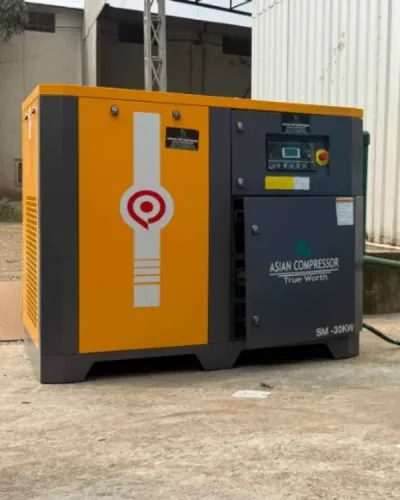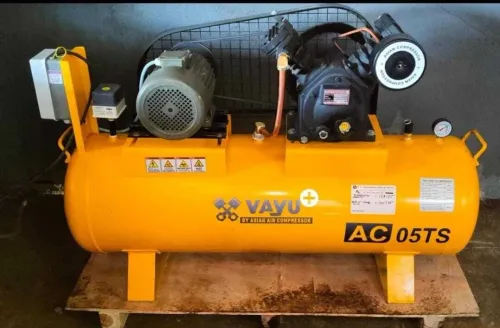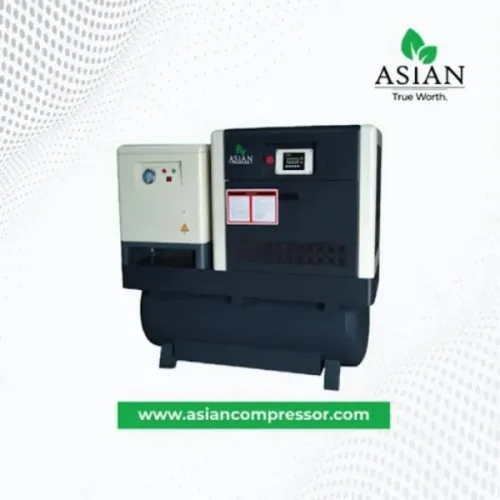

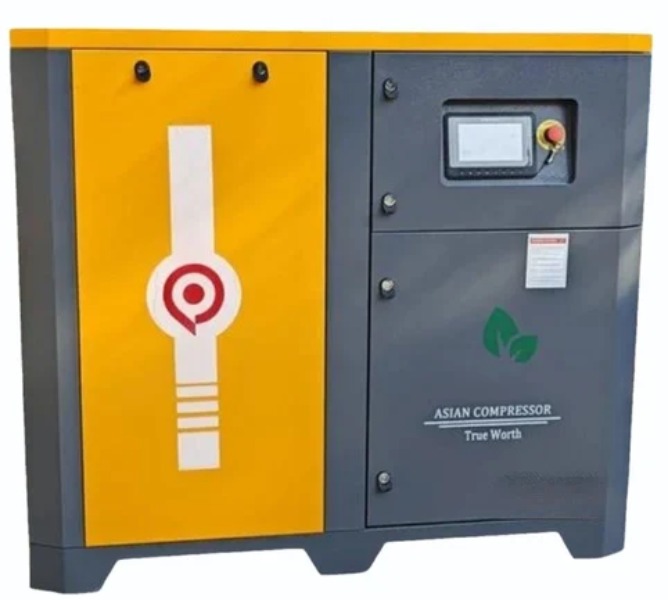
A Fix Speed Air Compressor is designed for operations where compressed-air demand remains relatively consistent for long periods. Instead of continuously changing motor speed according to demand, the compressor operates at a fixed motor speed while producing compressed air for connected equipment and processes.
For manufacturing units and industrial facilities in Nagpur, Maharashtra, understanding this operating principle is useful before deciding whether a fixed-speed system suits the plant's production pattern.
How Fixed-Speed Compression Works
When the compressor is running under load, its motor operates at its rated speed. The system builds compressed air to the required pressure and supplies it to the plant's air network.
Depending on the compressor design and controls, it may switch between loaded and unloaded operating conditions as pressure changes.
This relatively straightforward operating method makes fixed-speed compressors suitable for facilities where air consumption does not fluctuate dramatically throughout the working day.
Where Fixed-Speed Compressors Make Sense
A fixed-speed system can be practical when equipment consumes compressed air at a predictable rate.
Common applications may include:
- Manufacturing machinery
- Pneumatic tools
- Assembly operations
- Packaging equipment
- Fabrication workshops
- Process equipment
- Material handling systems
- Continuous production lines
The important factor is not simply the industry but the air-demand profile.
A factory operating several pneumatic machines continuously may have a very different requirement from a workshop where compressed air is required only intermittently.
Understanding Compressor Capacity
Selecting compressor capacity requires more than choosing motor horsepower.
Plant managers should understand:
Airflow requirement: The combined compressed-air consumption of operating equipment.
Working pressure: The pressure required at the actual point of use.
Operating hours: Whether the compressor will run occasionally, for one shift, or continuously.
Peak demand: Short periods when several machines may require compressed air simultaneously.
Future requirement: Additional machinery can increase air demand later.
An undersized compressor may struggle to maintain pressure during production. A substantially oversized machine can introduce unnecessary capital and operating costs.
Why Air Storage Matters
An air receiver can help stabilise the compressed-air system by storing air for periods of temporary demand.
Correct receiver sizing can reduce rapid cycling and provide a buffer between compressor output and changing plant consumption.
However, installing a large tank does not correct an incorrectly sized compressor. Compressor capacity, receiver volume, piping and actual air consumption should be considered together.
Pressure Loss Should Not Be Ignored
A compressor may generate adequate pressure while machinery still receives insufficient pressure.
Possible causes include:
- Undersized piping
- Excessive bends
- Blocked filters
- Air leakage
- Poorly maintained dryers
- Long distribution lines
Increasing compressor pressure to compensate for distribution problems can waste energy. Inspecting the entire compressed-air network is generally more effective.
Maintenance Influences Long-Term Performance
Industrial compressors require planned maintenance to continue operating reliably.
Depending on the machine, routine attention may include checking lubricant levels, filters, separators, belts, cooling components, drains and electrical connections.
A clean, ventilated compressor room also helps manage operating temperature.
For industrial businesses evaluating fixed-speed compressor solutions in Nagpur, Advik Enterprises supplies air compressor equipment for industrial and commercial applications. The company's product range includes fixed-speed and variable-speed compressor options, allowing buyers to compare systems according to operating requirements.
A Fix Speed Air Compressor is therefore best evaluated through actual plant demand rather than horsepower alone. When compressed-air consumption remains steady, properly selected fixed-speed equipment can provide a practical source of compressed air for everyday industrial operations.